
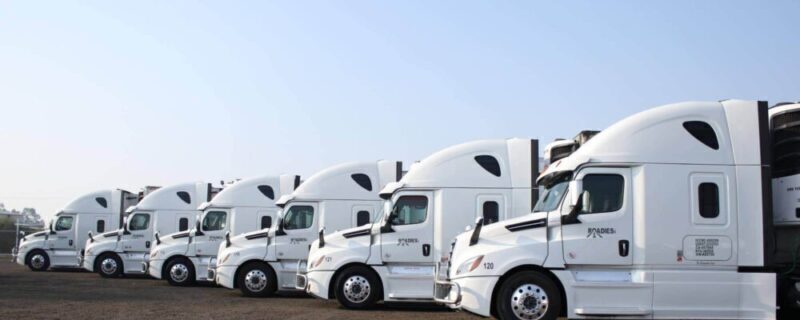
Sustainability used to be a buzzword in logistics. Now, it’s a requirement. Shippers are under pressure. Customers want eco-friendly options. Regulations are getting tighter. And fuel costs? They aren’t going down. As a leading logistics company in California, we know firsthand how these pressures impact modern supply chains.
But here is the truth that often gets missed: Green logistics is just efficient logistics. When you cut empty miles, you burn less fuel. When you pack a trailer correctly, you ship less air. When you optimize a route, you save time.
Sustainability and profitability go hand-in-hand. This guide breaks down what green logistics actually looks like in practice, stepping past the buzzwords to focus on the operational changes that reduce both emissions and freight costs.
What is Green Logistics?
Green logistics refers to the set of sustainable policies and measures aimed at reducing the environmental impact of transportation, warehousing, and distribution. It encompasses the entire lifecycle of a shipment—from the moment it leaves the manufacturing floor to its final delivery.
In practical terms, this means:
- Reducing Carbon Emissions: Cutting down on fuel consumption through better route planning and modern fleet maintenance.
- Minimizing Waste: Using eco-friendly packaging, reducing material usage in warehousing, and limiting product damage.
- Optimizing Operations: Ensuring trailers run full (avoiding “shipping air”) and reducing idle time at busy loading docks.
For businesses, the goal is to balance economic efficiency with ecological responsibility. A green supply chain is ultimately a more resilient supply chain.
Core Strategies for Eco-Friendly Shipping
Transitioning to a sustainable model doesn’t require a complete overhaul of your operations overnight. It starts with maximizing the efficiency of the assets already in use. Here are three proven strategies that drive immediate impact in green logistics transportation:
1. Smart Route Optimization
The most direct way to reduce emissions is to drive fewer miles. Traditional dispatching often results in unnecessary detours and “empty miles”, trucks driving without cargo just to reposition for the next load.
Modern logistics relies on intelligent route optimization to solve this. By analyzing traffic patterns, delivery windows, and fuel stops, dispatchers can plan the most fuel-efficient paths. Minimizing deadhead mileage ensures that interstate lanes run as efficiently as possible, saving fuel and reducing highway congestion.
2. Load Consolidation (LTL to FTL)
Shipping partial loads is one of the biggest sources of waste in the freight industry. Every time a truck hits the highway, only 60% full, the carbon footprint per pallet skyrockets.
Load consolidation is the fix. By combining multiple LTL shipments into a single Full Truckload (FTL) shipment, shippers can significantly reduce the number of trucks on the road. This practice lowers overall fuel consumption and typically results in safer, faster transit for the goods, as the freight is handled fewer times.
3. Cross-Docking to Reduce Warehousing
Traditional warehousing consumes massive amounts of energy through lighting, heating, and cooling large square footage. Cross-docking bypasses this by unloading materials from an incoming truck and loading them directly onto outbound trucks with little to no storage time in between.
This “keep it moving” approach reduces the need for large, energy-intensive storage facilities and speeds up the supply chain, getting products to market faster with a significantly smaller environmental footprint.
Green Logistics in Action: Navigating California’s Freight Landscape
The push for sustainable freight is moving faster in some regions than others. Because California leads the nation in environmental regulations, operating on the West Coast requires a strict commitment to clean logistics.
Any logistics company in California must maintain specific operational discipline, especially when managing freight through a central hub like Bakersfield. Connecting Southern California ports with the Central Valley and major interstate routes requires more than just electric trucks; it requires tight management:
Strict Fleet Maintenance: Engines must be maintained rigorously to run clean and meet California’s strict CARB emissions standards, ensuring compliance whether a truck is on State Route 99 or crossing state lines.
Balancing West Coast Lanes: The biggest enemy of sustainable shipping in the Central Valley is the “empty mile.” Consolidating freight flows in and out of heavy agricultural zones prevents trucks from returning empty after a drop-off.
Idle Reduction: Reducing idle time at busy distribution centers cuts localized noise and air pollution, keeping supply chains moving while respecting local communities.
Ultimately, whether freight is moving locally or across the country, operations that are designed to meet modern environmental expectations are almost always the most efficient.
Business Benefits of a Sustainable Supply Chain
Not only does the sustainable supply chain benefit the brand image, but it also offers real advantages to your business. Here are some of the notable impacts:-
Lower Fuel and Operating Costs
One of the largest variable expenses in freight is fuel. When you route, minimize idle time, and consolidate loads, you use less fuel per shipment. Over hundreds of lanes and thousands of miles, those savings add up quickly. Cleaner, well-maintained engines also break down less. Reduction in breakdowns means more on-time runs, less emergency maintenance, and fewer insurance claims.
Regulatory Compliance Before It Becomes a Crisis
Environmental rules are becoming stricter nationwide. California already enforces CARB standards, and federal mandates are catching up. Complying late means scrambling, and scrambling is expensive. By adopting green practices now, you avoid paying fines or rushing to retrofit your fleet when deadlines hit. Instead of chasing the law, you stay ahead of it.
You Win Better Contracts
Among the largest shippers, notably retailers, manufacturers, and CPG firms, sustainability criteria are increasingly a part of their RFPs. They want to tell their own customers and investors that their supply chains are clean. And if your operation can’t demonstrate an environmentally friendly process, you no longer get an audience before the conversation even begins. Having the ability to say, “we track empty miles, consolidate loads, and use CARB-compliant vehicles,” is a differentiator and opens doors.
Less Waste Means Fewer Errors
Green logistics is predicated on eliminating the superfluous, unwarranted miles, surplus packaging, and superfluous handling. That same discipline reduces damage rates, misdeliveries, and re-shipping. So fewer errors mean fewer claims. Fewer claims means happier customers and better carrier score cards.
Customer Retention and Trust
Businesses today are being held accountable for their supply chains, not just their products. When your shipping partner runs lean and clean, it reflects on your brand too. Shippers who can demonstrate responsible logistics practices build stronger, longer-term relationships with their clients. That trust is hard to put a number on, but it directly reduces churn.
Wrapping Up
Sustainability in logistics comes down to one thing: efficiency. Cut the empty miles, fill the trailers, and plan smarter. Doing this consistently reduces your carbon footprint, lowers freight costs, and builds a resilient supply chain.
You don’t have to figure it out alone. At Roadies Inc., our Bakersfield team leverages smart dispatching, load consolidation, and CARB-compliant fleets to move your interstate freight cleaner and faster.
Ready for a greener supply chain? Contact us for a freight quote today.
FAQs
Does eco-friendly shipping cost more?
Not usually. Buying new electric trucks is expensive. But “green” logistics focuses on efficiency. Cutting waste and miles usually lowers your total shipping cost.
How do truckers reduce their carbon footprint?
They drive smarter. They use route optimization to avoid empty miles. They maintain their engines. And they consolidate loads so they aren’t shipping space.
What is the role of cross-docking in sustainability?
Cross-docking eliminates the energy needed for long-term warehousing. It also consolidates shipments efficiently, meaning fewer trucks are needed to move the same amount of freight to its final destination.
Is green logistics only about transportation?
No. While transportation is a major factor, green logistics also includes eco-friendly packaging, reducing warehouse energy consumption, and minimizing product damage to prevent wasteful re-shipping.
