
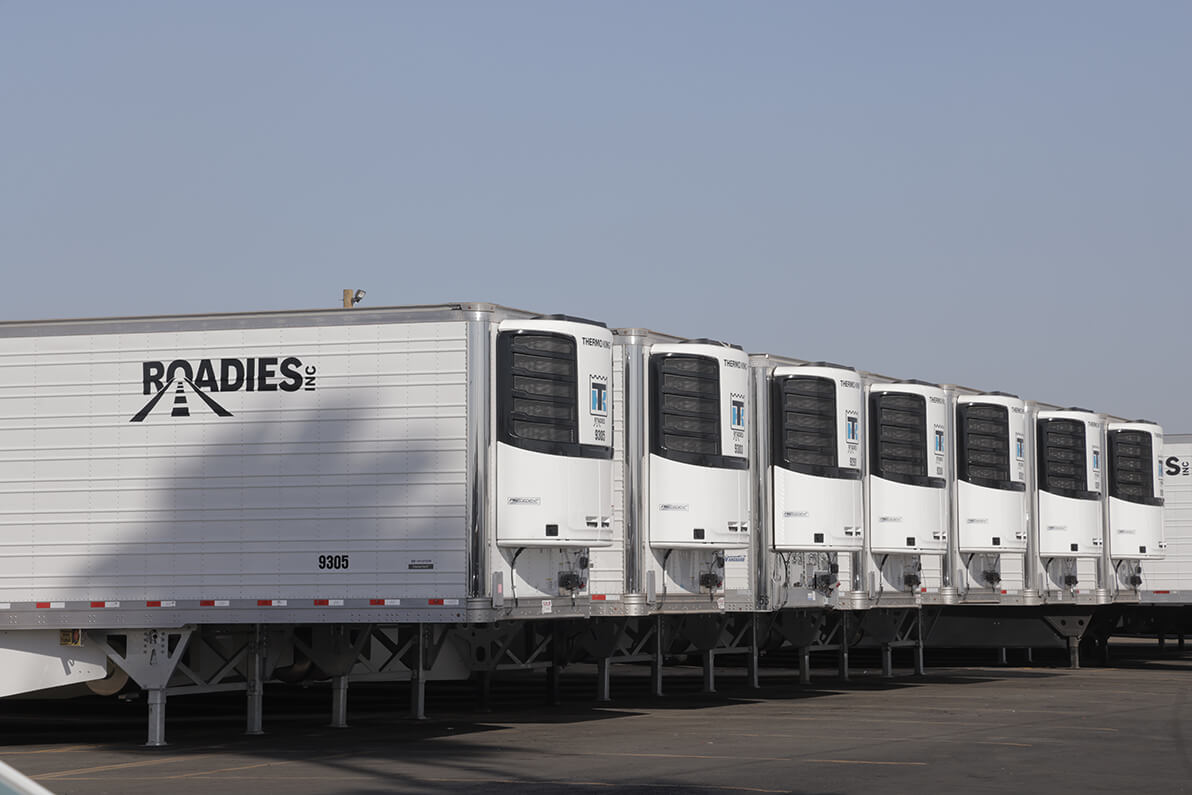
Moving a trailer from one location to another, be it just across the town or across the country, sounds like a simple task. However, practically, anyone who has been in a freight situation knows that even a “simple move” can very easily become a logistical nightmare if you fail to take into consideration route restrictions, insurance gaps, or strict pickup windows.
That is exactly why who you hire matters. Finding the right trailer transport company isn’t just about getting a truck to show up; it’s about having a trustworthy shipping partner that keeps your asset safe, communicates openly, and doesn’t surprise you with extra charges at the delivery dock.
Before you commit to a quote, use the 6-step checklist below to thoroughly check the provider, secure your pricing, and be sure your trailer gets to you at the agreed time.
Why Trailer Transport Matters
Trailer moves aren’t the same as “normal freight.” A trailer is big, often valuable, and sometimes tricky, especially if it’s modified, oversized, loaded, or not fully operable.
Before you book, a professional should be able to answer the practical questions fast: what method they recommend, what paperwork they need, what insurance applies, and how inspections work at pickup and delivery.
Step 1: Get Your Trailer Details Ready (This Affects Everything)
Before you compare quotes, get your details straight. The more accurate you are upfront, the fewer “quote changes” you’ll deal with later. Here’s what to have ready:
- Trailer type: Utility, enclosed, car hauler, flatbed, equipment trailer, etc.
- Dimensions: Length, width, height (include add-ons like racks, toolboxes, spare mounts).
- Weight: Empty (or loaded, if it must ship loaded).
- Condition: Operable or inoperable (can it roll, tires inflated, bearings/brakes OK?).
- Pickup and drop-off details: Business or residential; dock/forklift access; gate codes; tight streets; limited hours.
- Timing: Hard deadline or flexible window.
If a company gives you a price without asking about these basics, expect the number (and timeline) to change later.
Step 2: Choose The Right Transport Method
Not all trailer transport services are the same. The “best” option depends on your trailer’s value, how much exposure risk you’re okay with, and what the route requires. Common options include:
- Open transport: Usually the most cost-effective, but your trailer is exposed to weather and road debris.
- Enclosed transport: More protection, higher cost; often worth it for high-value or easily damaged trailers.
- Flatbed/step-deck: Helpful for certain configurations, oversized setups, or special handling needs.
- Tow-away / power-only (when applicable): Can work if your trailer is roadworthy and the route/requirements allow it.
Ask the trailer transport company to recommend a method and explain why. A good provider won’t just push the most expensive option—they’ll match the plan to your risk, budget, and timeline.
Step 3: Vet The Trailer Transport Company
Use the checklist below to verify your provider before you book, so you aren’t left guessing about coverage or equipment later.
Insurance and liability (don’t skip this)
Ask before you book:
- What insurance coverage applies during transit?
- Is coverage primary or contingent?
- What’s the claims process if damage happens?
- Any exclusions (weather, “acts of God,” pre-existing damage, loose accessories)?
A trustworthy trailer transport company won’t dodge this. They’ll share documentation and explain it clearly.
Experience with your trailer type
A carrier that moves one type of equipment all day might not be the best fit for your trailer. Confirm they’ve handled:
- Your trailer category (enclosed, flatbed, car hauler, etc.).
- Similar dimensions and weight.
- Similar pickup/drop complexity (residential, job sites, farms, storage yards).
This reduces the risk of a last-minute “we need different equipment” delay.
Equipment fit and route planning
Professional trailer transport services are as much about planning as hauling. Ask:
- What equipment will be used (and why)?
- Any expected route restrictions (low bridges, construction zones, permit requirements)?
- If it’s oversized, who handles permits and escorts?
If a provider brushes past permits and restrictions, that can turn into expensive delays later.
Tracking and communication
“Good service” usually means solid updates, especially for interstate moves. Confirm:
- Who’s your point of contact?
- How often will you get updates?
- Is live tracking available (if applicable)?
- What happens if the pickup slips?
You don’t need fancy tech. You do need reliable communication.
Pickup and delivery windows (and what “on time” means)
Get clear on expectations:
- Is pickup a guaranteed appointment or a window?
- Is delivery a date, a range, or “best effort”?
- Any detention or wait-time policies?
This helps you compare apples to apples. Two quotes can look similar but deliver very different services.
Step 4: Understand Pricing (And Avoid Low-Bid Traps)
Price matters, but “cheapest” is rarely the safest choice. When comparing quotes, look for clarity more than hype.
Ask for a breakdown of:
- Base transport rate.
- Fuel considerations (if applicable).
- Permits/escorts (if oversized).
- Access challenges (limited access, special equipment).
- Potential accessorials (re-delivery, storage, after-hours).
Be cautious with very low bids paired with vague language. A reliable trailer transport company should be able to tell you what’s included, what’s not, and what could change if the trailer details don’t match what was provided.
Step 5: How To Book Trailer Transport (Simple Process)
Once you’ve narrowed it down to 2–3 options, book in a way that protects you.
- Request a quote using accurate specs (dimensions, weight, operable status, locations, timeline).
- Ask the verification questions (insurance, equipment plan, permits, communication).
- Confirm the pickup plan (window, site contact, access requirements).
- Get terms in writing (email is fine; don’t rely on verbal promises).
- Schedule pickup and prep the trailer.
Step 6: Prep Your Trailer For Pickup (Avoid Preventable Issues)
A little prep can save a lot of time, and it helps if there’s ever a dispute. Before pickup:
- Remove personal items and loose gear.
- Secure removable parts (ramps, jacks, spare mounts, toolboxes).
- Clean the trailer (photos are clearer when surfaces are clean).
- Take timestamped photos (all sides; roof if possible; close-ups of existing damage).
- Check tires and basic roadworthiness if tow-away is expected.
- Share access instructions (gate codes, narrow driveway notes, business hours).
This also speeds up inspection and reduces back-and-forth.
Wrapping Up
Choosing the right trailer transport company doesn’t have to be a guessing game. By doing your prep work, asking the right questions about insurance and routing, and demanding transparent pricing, you can ensure your equipment arrives safely and on schedule.
If you are looking for a reliable partner in California or need a long-distance haul, Roadies Inc. provides professional trailer shipping services backed by clear communication, the right equipment, and zero hidden fees. Contact our dispatch team today for a custom quote.
Frequently Asked Questions
How much do trailer transport services usually cost?
Prices vary based on distance, trailer dimensions/weight, whether or not the unit is operable, the complexity of the route, and whether special permits are required or if you are asking for enclosed transport. Shop quotes on equivalent specs and service terms.
How long does trailer transport take?
It’s based on distance, routing, and scheduling windows. Request the pickup window and delivery window, and ask what the plan is if weather/scheduling delays occur.
Is trailer transport insured?
Reputable companies carry insurance during transit, but coverage limits and exclusions vary. Confirm the coverage amount, exclusions, and the claims process before you book.
How should I prepare my trailer?
Remove personal items, secure loose parts, take clear photos, and confirm pickup/drop access details. If tow-away is part of the plan, make sure tires, lights, bearings, and brakes are in acceptable condition.
