
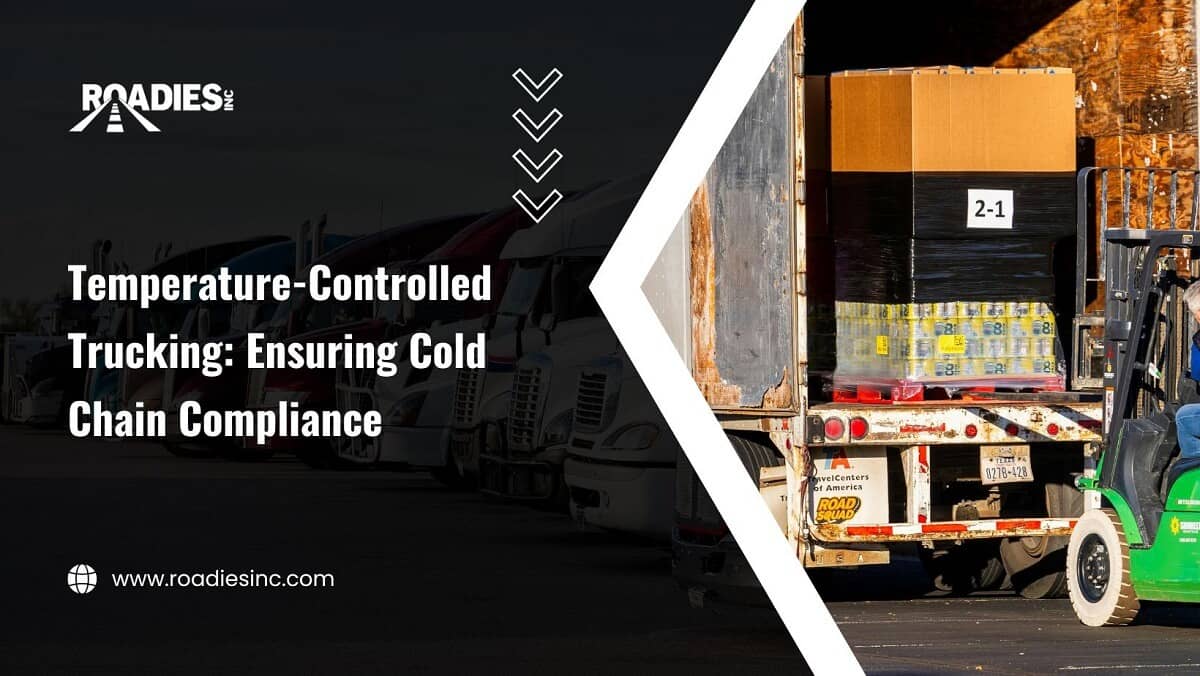
The cold chain is a carefully managed process designed to keep temperature-sensitive goods within required ranges from origin to final delivery. Even a single breakdown in this chain can compromise product quality, safety, or regulatory compliance. Transportation is one of the most vulnerable stages of the cold chain, where unexpected delays, equipment failures, or environmental conditions can quickly put shipments at risk.
That’s where reliable refrigerated freight services come in, turning trucks into mobile cold storage units that protect cargo throughout the journey. In this guide, we’ll explore how specialized equipment, real-time monitoring, and trained drivers ensure safe, compliant deliveries every time.
Why Transportation Is the Weakest Link in the Cold Chain
While warehouses and production facilities are generally equipped with stable temperature control systems, transportation introduces unpredictable risks:
- Long transit times
- Traffic delays
- Extreme weather conditions
- Mechanical issues
- Frequent door openings
Even if a shipment is properly packed, delays or extreme weather during transit can compromise product quality. Maintaining consistent temperatures on the road is difficult without specialized equipment. That’s why temperature-controlled trucking is critical—professional refrigerated truck services convert vehicles into mobile cold storage units, protecting sensitive cargo throughout the journey.
How Temperature-Controlled Trucking Supports Cold Chain Compliance
Temperature-controlled trucking ensures cold chain compliance through a combination of advanced technology, disciplined processes, and trained personnel.
1. Specialized Refrigerated Equipment
Refrigerated trucks (reefer trucks) are equipped with insulated walls and powerful refrigeration units, maintaining precise internal temperatures regardless of external conditions.
- Suitable for frozen, chilled, and controlled-ambient shipments
- Refrigeration systems are properly maintained and calibrated according to each load’s requirements
- Consistent temperature preserves product integrity during long-distance transport
2. Real-Time Temperature Monitoring
Continuous monitoring is equally important. Trailer sensors record temperature in real time.
- Alerts are immediately sent to drivers and fleet managers if deviations occur
- Corrective actions can be taken promptly before product quality is compromised
- Recorded data provides verifiable proof for audits, inspections, and customer verification
3. Protecting Product Quality and Safety
Consistent temperature control is essential:
- Food transportation: Slows bacterial growth, prevents spoilage, and preserves freshness
- Pharmaceuticals & biologics: Maintains potency and effectiveness
Reliable refrigerated trucking reduces waste, rejected shipments, and costly recalls. Products are delivered in their intended condition, ensuring consumer safety and satisfaction while strengthening overall supply chain performance.
Best Practices to Strengthen Compliance During Transit
Cold chain compliance depends not only on equipment but also on proper handling and processes.
Pre-Cooling & Proper Loading
- Pre-cool trailers before loading
- Arrange products to allow free airflow and avoid hotspots or uneven cooling
Continuous Monitoring & Communication
- Teams should monitor temperatures regularly
- Maintain open communication with drivers to minimize the impact of delays or disruptions
Driver Preparedness
- Trained drivers can handle emergencies effectively
- They maintain temperature consistency throughout the journey
Following these practices significantly reduces the risk of spoilage, rejected shipments, and non-compliance.
Choosing the Right Carrier
Not all carriers are equipped to handle temperature-sensitive shipments. Selecting the right refrigerated trucking service ensures:
- Well-maintained and calibrated equipment
- Experienced and trained drivers
- Real-time temperature monitoring systems
- Regulatory compliance and proper documentation
Partnering with a trusted freight company reduces operational risks and ensures reliable delivery.
Conclusion
Maintaining cold chain compliance is essential for transporting temperature-sensitive goods safely and efficiently. By leveraging specialized equipment, real-time temperature monitoring, and trained drivers, businesses can reduce spoilage, ensure regulatory compliance, and protect product quality throughout transit. Choosing a reliable service not only safeguards shipments but also strengthens overall supply chain performance. For seamless, worry-free delivery of your perishable products, partner with Roadies Inc. for professional refrigerated freight services and experience dependable, temperature-controlled shipping every time.
FAQs
1. What industries benefit most from refrigerated freight services?
Food and beverage, pharmaceuticals, healthcare, agriculture, and chemical industries benefit most. These sectors rely on refrigerated freight services to maintain strict temperature control, ensuring product quality, safety, and regulatory compliance during transit.
2. How do refrigerated trucks maintain consistent temperatures?
Refrigerated trucks use insulated trailers and advanced refrigeration units that regulate internal temperatures precisely. This keeps cargo at the required temperature, protecting perishable goods from external weather conditions, delays, or handling during transit.
3. Why is temperature monitoring important during transit?
Continuous temperature monitoring detects deviations early, allowing prompt corrective actions. It ensures products remain safe, prevents spoilage, and provides verifiable documentation for regulatory compliance and customer assurance.
4. What should I look for in a freight truck company?
Choose a company with modern, well-maintained equipment, trained drivers, real-time temperature monitoring, and a strong understanding of compliance standards to ensure safe and reliable refrigerated freight delivery.
5. Can refrigerated truck services reduce product loss?
Yes. Proper refrigerated truck services maintain consistent temperatures, reducing spoilage, waste, and rejected shipments, while preserving product quality and minimizing the risk of costly recalls during transportation.
